


-

Add: HeBei ShengShi HongBang Cellulose Technology CO.,LTD.
-

Email
13180486930@163.com -

CONTACT US
+86 13180486930





Fiberglass for Concrete Mix Enhancing Strength and Durability Concrete is one of the most widely used construction materials in the world, known for its strength and versatility. However, it does have its limitations, such as brittleness, susceptibility to cracking, and overall weight. To tackle these challenges, the incorporation of fiberglass into concrete mixes has emerged as a game-changing solution that boosts performance while maintaining the same traditional characteristics of concrete. What is Fiberglass? Fiberglass, or glass fiber, is a reinforced plastic material composed of fine fibers of glass. It is known for its high strength-to-weight ratio, excellent resistance to corrosion, and impressive insulation properties. When added to concrete mixes, fiberglass can significantly enhance the material's overall performance, making it a popular choice in various construction applications. Benefits of Fiberglass in Concrete Mixes 1. Improved Tensile Strength One of the most significant advantages of incorporating fiberglass into concrete is the enhancement of tensile strength. Traditional concrete tends to be strong in compression but weak in tension, which can lead to cracks and structural failures. By adding fiberglass, the tensile strength increases, making the concrete more resistant to stress and load-bearing requirements. 2. Reduced Shrinkage and Cracking Fiberglass acts as a reinforcement that helps to minimize shrinkage during the curing process. This reduction in shrinkage translates to a decreased risk of cracking, which is often a common issue in standard concrete mixes. By effectively controlling cracking, fiberglass-reinforced concrete extends the lifespan of structures and reduces the need for repairs. 3. Lightweight Composition The lightweight nature of fiberglass compared to traditional reinforcement materials like steel means that concrete mixes can maintain lower overall weight. This can reduce the structural load on foundations while still providing the necessary strength and durability. Such lightweight composition is particularly advantageous in projects where load restrictions are critical. fiberglass for concrete mix 4. Enhanced Durability Fiberglass is naturally resistant to corrosion and chemical attack, which can often plague concrete exposed to harsh environmental conditions. By incorporating fiberglass, the resulting concrete becomes more robust against moisture penetration, temperature fluctuations, and aggressive chemicals, making it ideal for use in areas such as coastal regions, industrial sites, or places with severe weather. 5. Cost-Effectiveness While there may be initial costs associated with adding fiberglass to concrete mixes, the long-term savings are significant. The durability and reduced maintenance associated with fiberglass-reinforced concrete often lead to lower repair and replacement costs over the lifecycle of a structure. Additionally, the efficiency of construction and the potential reduction in material usage can further offset expenses. Applications of Fiberglass-Reinforced Concrete The application of fiberglass in concrete mixes spans across various sectors including residential, commercial, and industrial construction. From precast concrete products to architectural elements, such as facades and sculptures, fiberglass enhances the performance and aesthetic appeal of concrete structures. One notable application is in the construction of pavements and flooring systems. The addition of fiberglass not only improves the structural integrity but also provides slip resistance, ensuring safety in both industrial and commercial environments. Moreover, the use of fiberglass in thin overlays and shotcrete processes shows significant promise, allowing for quick application with high durability. Conclusion In conclusion, the integration of fiberglass into concrete mixes presents a wealth of benefits that significantly enhance the material's performance. Improved tensile strength, reduced shrinkage, enhanced durability, and lightweight composition make fiberglass-reinforced concrete an excellent choice for modern construction projects. As the construction industry continues to evolve, adopting innovative materials like fiberglass will be crucial in meeting the demands for stronger, more resilient, and cost-effective building solutions. By embracing these advancements, engineers and architects can create structures that not only stand the test of time but also contribute to more sustainable development practices.
- 40000tons

Production
- 20+years

Experience
- 5000+㎡

Acreage

-

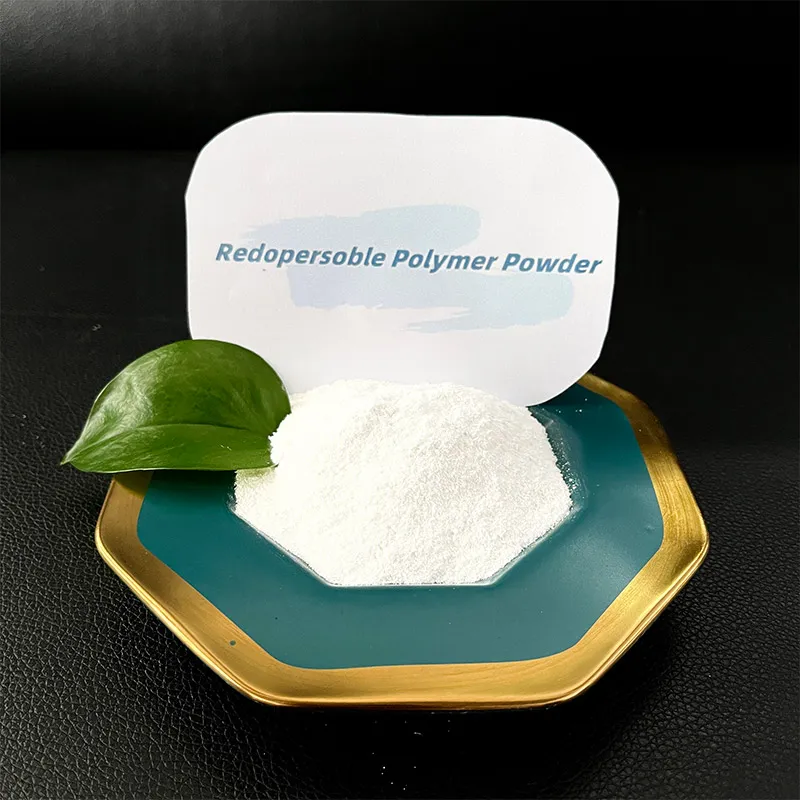
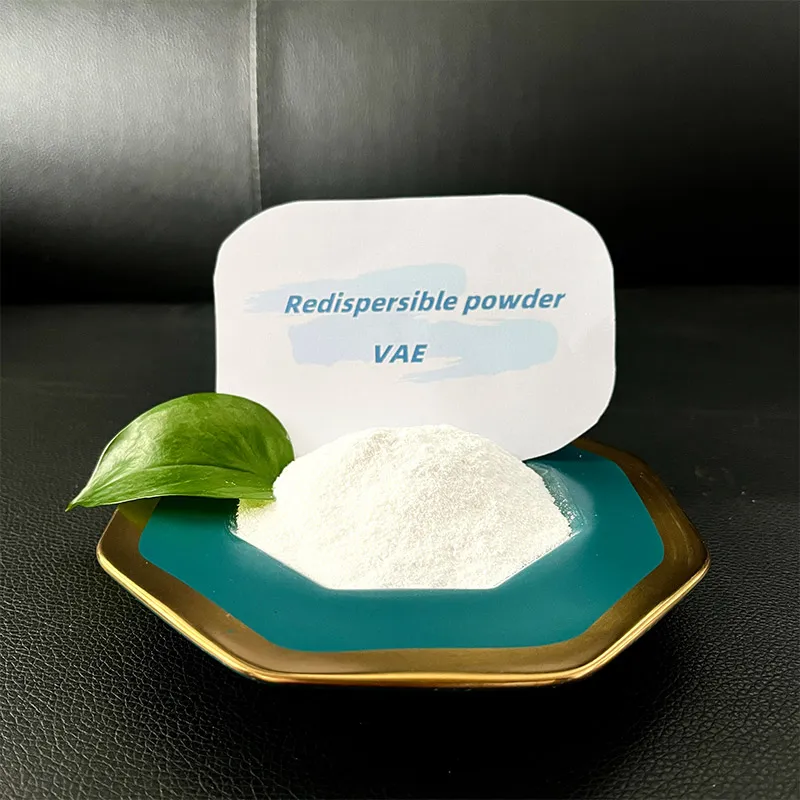
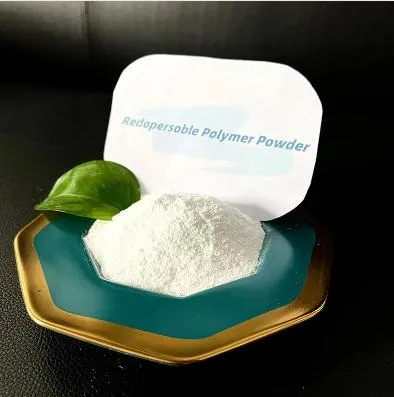
In the modern construction industry, the performance of building materials is critical to ensuring durability and reliability. One such material that has gained significant attention is redispersible polymer powder . This powdered additive is a versatile ingredient used in various construction applications, from adhesives to plaster and mortar. Redispersible polymer powder is created by drying a polymer emulsion into a fine powder, which can then be mixed with water to form a stable dispersion again, enabling superior bonding and flexibility. The key advantage of redispersible polymer powder is its ability to improve the mechanical properties of construction materials. When added to mortar, cement, or adhesives, it enhances their adhesion, workability, and flexibility, leading to longer-lasting and more durable results. Whether you are working on indoor wall plaster, exterior coatings, or tile adhesives, redispersible polymer powder is a vital ingredient that enhances the overall performance of construction materials. This article will explore the benefits of redispersible polymer powder , the role of vinyl acetate ethylene copolymer powder , polylactic acid powder , and redispersible latex powder , and how these products contribute to the success of modern building materials. The Advantages of Vinyl Acetate Ethylene Copolymer Powder in Construction Vinyl acetate ethylene copolymer powder is a powerful material that plays a crucial role in the performance of construction products. This polymer is created by combining vinyl acetate with ethylene, which results in a powder that offers superior adhesion, flexibility, and water resistance. Vinyl acetate ethylene copolymer powder is particularly valuable in the production of tile adhesives, cement-based mortars, and exterior coatings. One of the primary advantages of using vinyl acetate ethylene copolymer powder in construction applications is its ability to improve the workability of materials. It enhances the spreadability of adhesives and coatings, making them easier to apply without compromising their strength. Additionally, vinyl acetate ethylene copolymer powder helps increase the bond strength of adhesives, ensuring a long-lasting hold even in challenging environmental conditions. Another benefit is its excellent water resistance. This makes vinyl acetate ethylene copolymer powder a preferred choice for applications that require materials to withstand moisture, such as in wet areas or exterior surfaces. Its ability to improve the flexibility and crack resistance of construction materials also ensures that products remain durable and stable over time, even in areas with temperature fluctuations. Polylactic Acid Powder: A Sustainable Solution for Construction and Packaging Polylactic acid powder , or PLA powder, is a biodegradable polymer that is rapidly gaining traction in various industries, including construction and packaging. Derived from renewable resources such as cornstarch or sugarcane, polylactic acid powder offers an eco-friendly alternative to traditional plastic materials. In construction, polylactic acid powder is being used as a binder in composite materials, insulation, and other applications that require lightweight yet durable properties. One of the key benefits of polylactic acid powder is its environmental friendliness. As a renewable and biodegradable material, polylactic acid powder significantly reduces the carbon footprint of construction products. This is especially important as the construction industry moves towards more sustainable practices and looks for ways to reduce its impact on the environment. In addition to its eco-friendly properties, polylactic acid powder offers impressive mechanical strength and versatility. It can be used in combination with other materials like cellulose, minerals, and polymers to create high-performance building materials that are both strong and lightweight. Polylactic acid powder is also an excellent material for 3D printing applications, enabling the creation of complex and custom designs for building components and decorative elements. As demand for sustainable construction practices increases, polylactic acid powder is likely to play an even larger role in the industry. Redispersible Latex Powder: Improving Adhesion and Durability Redispersible latex powder is a key ingredient used in the production of a wide range of construction materials. Similar to redispersible polymer powder , redispersible latex powder is a dry powder that, when mixed with water, forms a latex dispersion that significantly improves the properties of building materials. Redispersible latex powder is often used in cement-based products such as mortar, plaster, and adhesives, where it provides superior adhesion, flexibility, and water resistance. The use of redispersible latex powder is particularly beneficial in applications where increased bond strength is required. It helps improve the adhesive properties of tile adhesives, wall plasters, and other cementitious materials, ensuring that they adhere strongly to substrates without compromising the material's flexibility. This flexibility is crucial in preventing cracks from forming as the building material expands and contracts due to temperature fluctuations. Combining Polymer Powders for Optimal Performance in Construction The combination of various polymer powders, such as redispersible polymer powder , vinyl acetate ethylene copolymer powder , polylactic acid powder , and redispersible latex powder , provides a comprehensive solution for improving the performance of construction materials. Each of these polymer powders has unique properties that, when combined, can offer optimal results in terms of adhesion, flexibility, durability, and sustainability. Similarly, adding redispersible latex powder to a cement-based product can enhance water resistance, ensuring that the material remains stable even in wet environments. By understanding the unique properties of each polymer powder and combining them strategically, manufacturers can create high-performance construction products that meet the needs of modern building standards. R edispersible polymer powder , along with other polymer-based products like vinyl acetate ethylene copolymer powder , polylactic acid powder , and redispersible latex powder , plays a vital role in enhancing the performance and sustainability of construction materials. These additives improve the workability, flexibility, adhesion, and water resistance of cement-based products, making them ideal for a wide range of applications, from tiles and adhesives to plasters and coatings. As the construction industry continues to evolve and prioritize sustainability, the use of these polymer powders will only become more important. Whether you're looking to improve the durability of your building materials, create more eco-friendly products, or enhance the performance of your construction projects, incorporating redispersible polymer powder and other polymer-based additives is a smart investment that will lead to superior results.
-

Hydroxypropyl methylcellulose , commonly known as HPMC, is a versatile compound extensively utilized in various industries. Its remarkable properties make it an essential ingredient in numerous products, offering significant functional benefits. In the realm of pharmaceuticals, HPMC serves as a crucial excipient, enhancing the quality and efficacy of medicinal products. It acts as a film-forming agent, providing a protective coating that improves the stability of active ingredients. This function is particularly vital for controlled-release formulations, where HPMC's ability to regulate the release rate ensures optimal therapeutic outcomes. Furthermore, its high solubility and bio-adhesive properties facilitate efficient drug delivery, maximizing patient compliance and treatment effectiveness. HPMC also plays a pivotal role in the food industry, where it functions as a texturizer, emulsifier, and stabilizer. It is revered for its ability to enhance the mouthfeel and consistency of various food products, such as dairy alternatives, sauces, and baked goods. The compound's thermal gelation property is crucial in creating a desirable texture, mimicking the palatability of full-fat versions with a healthier twist. Moreover, HPMC is an invaluable asset in gluten-free formulations, replicating the structural integrity gluten provides in conventional doughs. hydroxypropyl methylcellulose function In the construction sector, HPMC is indispensable in the production of high-performance building materials. It functions as a thickener and water retention agent in cement-based products, improving workability and extending open time during application. This results in enhanced adhesion, minimized cracking, and superior overall durability of the final structure. Its effective binding properties and excellent compatibility with other materials facilitate the creation of advanced, eco-friendly construction solutions. The cosmetic industry also greatly benefits from HPMC’s functional attributes. It is widely used as a film former and thickener in various personal care products like shampoos, lotions, and makeup. HPMC enhances product stability, consistency, and feel, while also providing a protective hydrating layer on the skin or hair. Its hypoallergenic nature and biocompatibility make it a preferred choice for formulations intended for sensitive skin. In summary, hydroxypropyl methylcellulose's unique properties enable it to perform multiple critical functions across diverse industries. Its versatility ensures it remains an invaluable component in improving the quality, performance, and consumer appeal of numerous products. By consistently delivering high-quality results, HPMC not only exudes expertise in its applications but also fortifies trust in its effectiveness and safety for both industry professionals and end-users alike.
advantages
-

200000 Viscosities
Excellent product
We can produce pure products up to 200,000 viscosities
-

40000 tons
High yield
We don’t stop production all year round, and the annual output can reach 40,000 tons
-

24 hours
Quality service
We provide 24-hours online reception service, welcome to consult at any time
———— Inquiry Form
Schedule A services


-
 construction_hpmc
Oct . 25, 2025
The increasing prevalence of digital device usage and environmental pollutants has led to a rise in - hpmc_k15m_viscosity
Oct . 25, 2025
When it comes to managing dry eye diseases, particularly Meibomian Gland Dysfunction (MGD), two type -
 synthetic_polymer_fiber
Oct . 25, 2025
Retained Hydroxypropyl Methylcellulose (HPMC) has long been a cornerstone in various industrial and


